







Search Results for: Heating Method
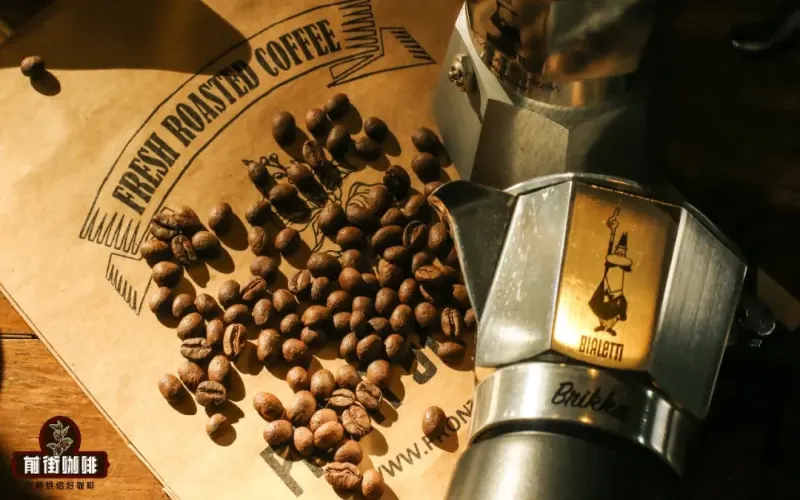
Medium-Dark Roast Moka Pot Coffee Bold Extraction Guide: Heating Methods and Key Operating Points Explained
The moka pot, with its high-temperature, pressurized extraction method, can produce a rich and full-bodied coffee liquid. Since its invention in 1933 by the Italian Alfonso Bialetti, it has remained a common appliance in European households, especially in Italian kitchens. Starting from the structural principles of the moka pot, this article will explain the choice of materials and heating methods, and focus on sharing how to improve the concentration and crema performance of medium-dark roasted moka pot coffee through water temperature control, grind size adjustment, and pacing of the heating. At the same time, combined with Front Street Coffee's medium-dark roasted bean recommendations, it helps coffee lovers enjoy a thick and full cup of moka pot coffee within its optimal flavor period. [more…]
How to Extract Stronger Coffee from a Moka Pot? A Guide to Choosing Medium-Dark Roast Beans and Heating Methods
The Moka Pot, with its high-temperature, pressurized extraction method, can produce a rich and full-bodied coffee liquid. Since its invention by Alfonso Bialetti in 1933, it has been widely used in European households, especially in Italy. To make Moka Pot coffee stronger, the key lies in choosing the right coffee beans, controlling the coffee-to-water ratio, and mastering the heating rhythm. This article will provide a detailed explanation of how to use a Moka Pot to make espresso with abundant crema and a thick mouthfeel, covering the structure and principles of the Moka Pot, suitable coffee bean types, Front Street brand recommendations, and specific operating steps. It will also explain the difference between using a gas stove and an induction cooker when heating, helping coffee enthusiasts enjoy freshly roasted medium-dark roast beans within their optimal flavor period. [more…]

Is It Okay to Heat Up Cold Brew Coffee? A Full Analysis of Cold Water Extraction Principles and the Differences Between Ice Drip and Cold Brew
As the weather turns cooler, cold brew coffee sales have clearly declined, and the cold brew at Front Street's stores has also hit a sales slump. Looking at the leftover cold brew in the fridge, a question comes to mind—can cold brew coffee actually be heated? Although Front Street has tried heating various coffees such as pour-over and lattes, it has never actually conducted an experiment on heating cold brew. This article will start from the definition of cold brew coffee, clarify the difference between ice drip and cold brew, explain the core logic of cold water extraction, and actually test the flavor performance of cold brew after heating, to answer this seemingly abstract yet very practical question for coffee enthusiasts. [more…]
A Complete Analysis of Moka Pot Italian-Style Brewing Details: From Structural Principles to Anti-Seizing and Safe Operation
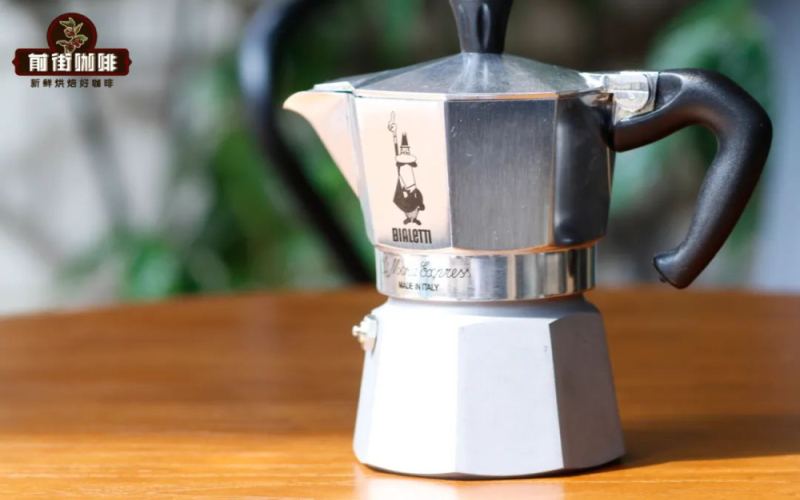
The moka pot is an extremely common classic coffee device in Italian households, with almost every home keeping one on hand. It relies on the steam pressure generated by heating the lower chamber to push hot water through the coffee grounds and into the upper chamber, thereby producing a cup of rich coffee with oils. However, in China, not many people truly understand its correct use. This article will begin with the moka pot's invention history, structural composition, and extraction principles, then explain in detail the key steps such as the water filling position, coffee distribution method, heating rhythm, and grind size. Combined with a brewing example using Front Street PWN Golden Mandheling, it will help readers avoid splashing, explosion hazards caused by improper operation, and problems such as the pot seizing shut and being impossible to open after use, so that the moka pot can produce consistent results. [more…]
How High Should the Heat Be for a Moka Pot? A Full Breakdown of Metal Shell Design, Heating Methods, and Coffee Bean Selection
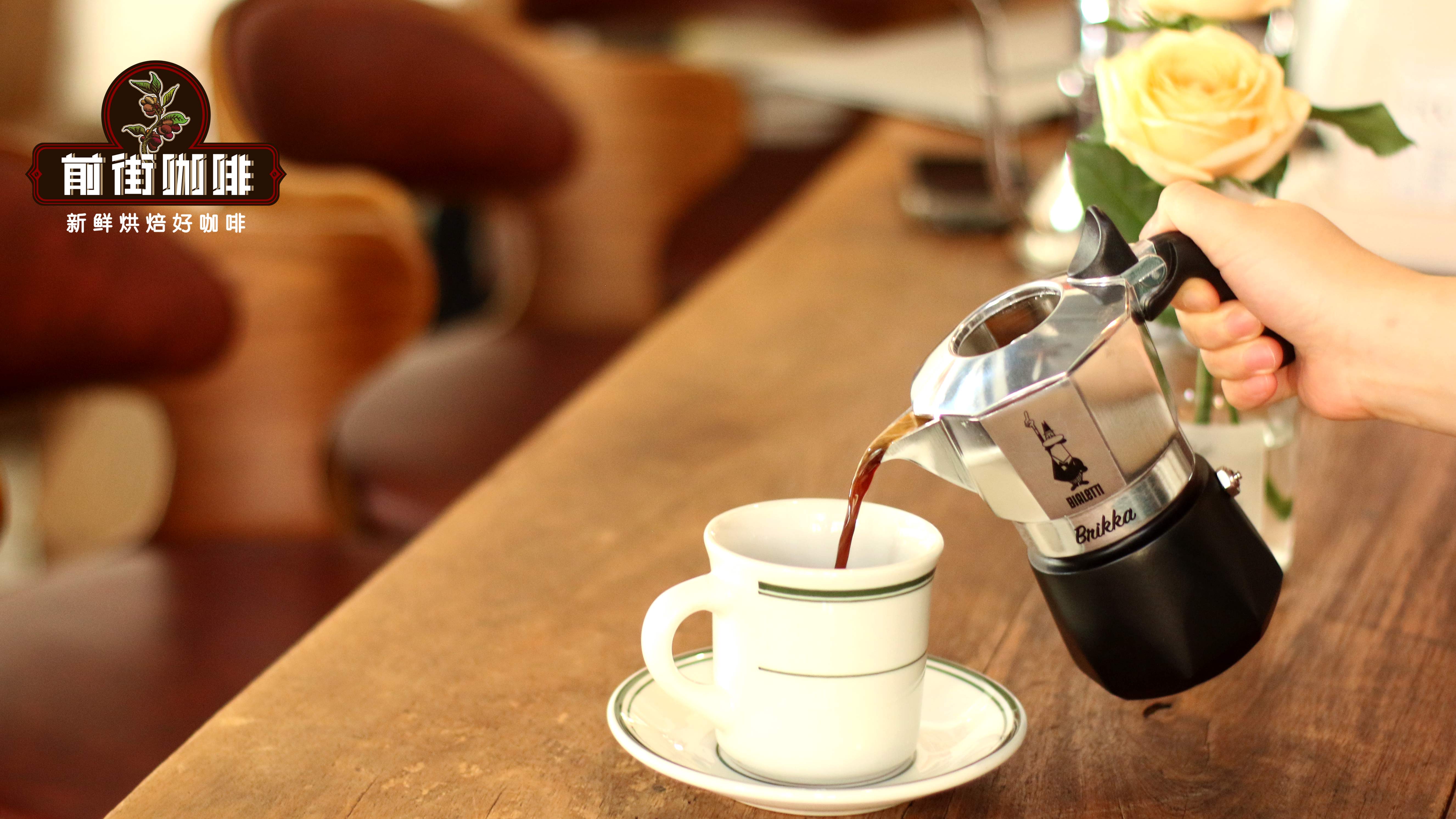
The moka pot is one of the lowest-barrier and least expensive tools for making strong coffee, and for enthusiasts who love espresso-style flavor but aren't ready to buy a semi-automatic espresso machine, it's a very friendly choice. Although it's said that every Italian nonna has one, if you really want to use it well, there are some basics you need to understand in advance. Today, Front Street Coffee will take you into the fun world of the moka pot, focusing on several core questions: flame intensity, the metal body design of the pot, and heating methods. We'll also talk about how to choose coffee beans, how fine to grind, how to fill the basket, how to control the water amount, and when to turn off the heat, helping you easily brew a cup of moka pot coffee with rich crema and aromatic flavor. [more…]

A Comprehensive Analysis of Siphon Coffee: From Extraction Principles to Brewing Details, Mastering the Key to Consistently Delicious Coffee
The siphon brewer, with its laboratory-equipment appearance and unique vacuum extraction method, has long been a favorite among coffee enthusiasts. It works by heating the lower chamber to generate steam pressure, pushing hot water up into the upper chamber to meet the coffee grounds; after the temperature drops, the pressure difference draws the coffee liquid back down into the lower chamber, resulting in a round, balanced cup. From the perspective of Front Street, this article systematically explains the siphon brewer's structural components, filtration and heating methods, grind size and coffee-to-water ratio, the timing for adding grounds, stirring techniques, and how to judge when to turn off the heat, along with a complete eight-step procedure to help you consistently brew a delicious cup of siphon coffee at home. [more…]
What is a Moka pot? A detailed explanation of usage steps, key points for open-flame heating, and coffee bean selection recommendations
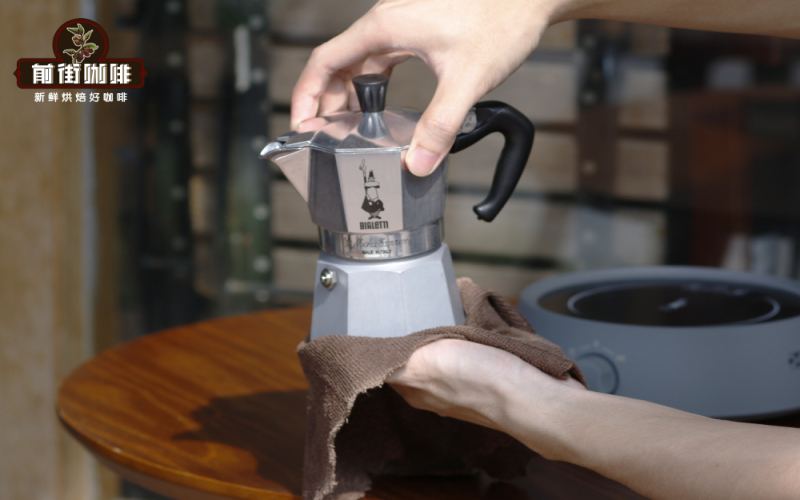
As a classic home coffee device, the moka pot is favored by many coffee enthusiasts for its rich extraction flavor. But many people still have questions about grind size, coffee-to-water ratio, heating method, and other issues during use. This article will start from the basic structure and extraction principle of the moka pot, systematically introduce the differences between single-valve and double-valve models, the selection of capacity specifications, suitable types of coffee beans, and practical details such as grind coarseness, coffee-to-water ratio, when to turn off the heat, and whether to keep the lid open. It will also answer the common question of whether a moka pot can be heated over an open flame, and include several Front Street coffee bean recommendations to help you easily brew a rich and delicious moka pot coffee at home. [more…]
Moka Pot Safety Analysis and Correct Usage: A Complete Guide to Open-Flame Heating, Grind Size, Coffee-to-Water Ratio, and When to Turn Off the Heat
The moka pot is a staple piece of equipment in many coffee lovers' homes, but there are also plenty of questions surrounding it: Are there safety hazards? Can it be heated directly over an open flame? And how should it be operated correctly to brew a rich cup of coffee? Starting from the actual confusion of Front Street fans, this article systematically sorts out the moka pot's structural principles, the differences between single-valve and double-valve models, and capacity selection, and explains in detail the key points of coffee bean selection, grind size control, coffee-to-water ratio, heating method, and timing for turning off the heat. The article also recommends three coffees suitable for the moka pot—Front Street Coffee's specialty blend, Queen's Estate Yellow Bourbon, and Indonesian PWN Golden Mandheling—for readers to consider when purchasing. [more…]
The Origin Story, Construction Principles, and Key Operating Points of the Moka Pot: A Complete Guide from Extraction Mechanism to Grind Size Control
The moka pot is a classic coffee-making tool found in almost every Italian household; it is said that eight out of every ten local families keep one. In China, however, it is not widely used, and many enthusiasts lack a systematic understanding of the operating details. From the perspective of Front Street, this article first reviews the invention origins of the moka pot and the birth of the Bialetti brand, then breaks down the three-part structure of the upper chamber, filter basket, and base, as well as the principle of steam-pressure extraction, followed by a step-by-step explanation of the key operating points such as adding water, filling coffee grounds, heating, and removing from the heat. The article also specifically recommends several medium-dark roasted beans, including Front Street Queen's Estate, Front Street PWN Golden Mandheling, and Front Street Bird of Paradise, and uses Golden Mandheling as an example for a brewing demonstration. Finally, it offers grinding advice of EK-43s 3-3.5 setting and safety reminders. [more…]
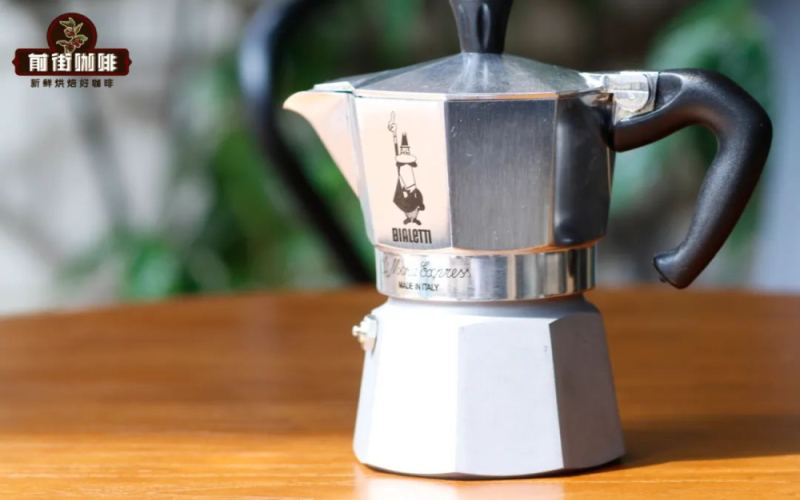
Why shouldn't you drink from a new moka pot for the first three brews? Full analysis of the causes of sputtering and key usage points
Since the Moka pot came onto the market in the 1930s, it has become an important piece of equipment in the daily coffee life of Italian households, and today it also has quite a few fans in China. Its operation seems simple, but beginners often encounter some confusion: why is the coffee brewed in a newly purchased pot not recommended for drinking during the first three times? Why does the coffee liquid sputter when heating? This article will systematically sort out the key details in using a Moka pot from multiple angles, including cleaning and seasoning a new pot, the extraction principle, the pressure relief valve mechanism, grind size, heat control, daily maintenance, and suitable coffee bean choices, and will also include practical suggestions from Front Street Coffee to help everyone brew rich, oily espresso-style coffee more safely and consistently. [more…]
A Detailed Guide to Four Coffee Brewing Methods: Operational Essentials for Siphon, French Press, Pour-Over Drip, and Cold Brew Iced Coffee
To brew a cup of coffee with rich layers of flavor at home, choosing the right equipment and mastering the correct technique are equally crucial. This article systematically introduces four mainstream coffee brewing methods—the siphon (vacuum) coffee maker, the French press, the paper-filter pour-over dripper, and cold-water iced coffee—breaking down each one's equipment features, suitable grind size, coffee-to-water ratio, and detailed operating steps, along with practical tips. Whether you are a coffee enthusiast just starting out or an advanced player hoping to refine your technique, you will find a brewing method that suits you. The article also specifically recommends related products from Front Street Coffee to help you start your home coffee journey more easily. [more…]
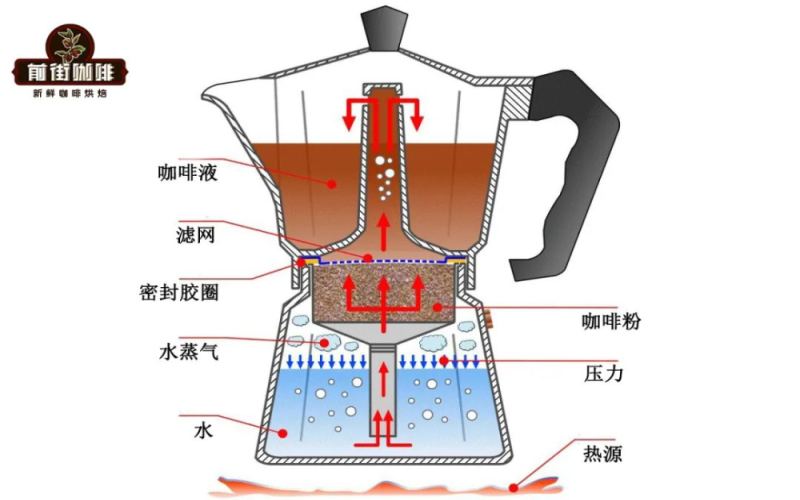
Moka Pot Features | What flavor and mouthfeel does the concentrated black coffee brewed with a moka pot have? What coffee beans are used for a moka pot? Is it safe to brew coffee with a moka pot?
The moka pot, this classic Italian coffee maker, is extremely popular in its home country—it's said that 8 out of every 10 households own this wonderful coffee-brewing device. However, in our country, the moka pot is relatively seldom used, which means many people have never had a thorough explanation of how to use it. Today, Front Street Cof [more…]
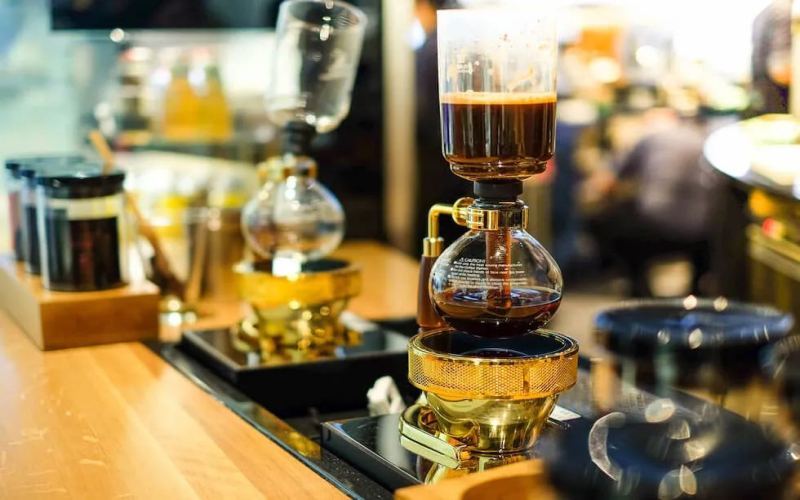
The Complete Guide to Siphon Coffee: From Construction and Principles to Brewing Parameters, Cloth Filter Maintenance, and Bean Selection
The siphon coffee maker, also known as the syphon, originated in Germany. It relies on heating the lower chamber to create pressure that pushes hot water up to the upper chamber to complete extraction. It is very popular in Japan and has gradually become popular in China. Its shape resembles chemical apparatus, often appearing in nostalgic films and TV shows, and it carries a mysterious aura. From the professional perspective of Front Street, this article systematically sorts out the upper chamber, lower chamber, and stand structure of the siphon, analyzes the pressure-difference extraction principle, introduces three heat sources—alcohol lamp, gas burner, and halogen lamp—as well as the trade-offs between flannel filter cloth and round filter paper. Then, taking Front Street Brazil Queen Estate beans roasted in-house as an example, it provides parameters such as a water temperature of 88°C, 18 grams of coffee powder, and a 1:10 coffee-to-water ratio, along with a six-step operating process, and explains filter cloth cleaning and storage as well as suitable coffee bean types. [more…]
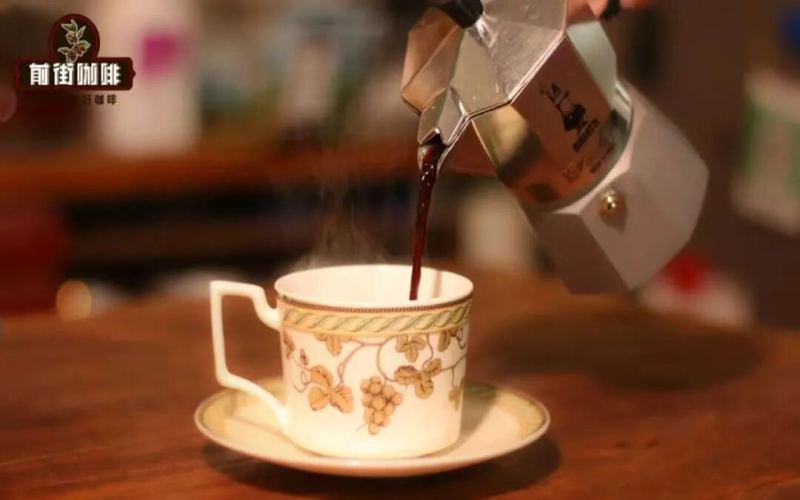
Moka Pot Coffee | Why does coffee brewed with a moka pot taste burnt and bitter? How can you avoid over-extraction in moka pot coffee?
Front Street Coffee has found that many friends are troubled by the problem of Moka pot coffee often being over-extracted. Every time Front Street Coffee shares a tweet related to the Moka pot, friends leave comments like: "How can I avoid over-extraction in Moka pot coffee?" or "Why is the extracted coffee so bitter?" Indeed, compared to its [more…]

The Complete Guide and Flavor Analysis of Making Moka Pot SOE Americano with Sun-Dried Geisha
As one of the most representative coffees from the Sidamo region, Huakui has won over many coffee lovers with its rum-soaked chocolate-like flavors brought about by the natural process. This article will explain in detail how to use a moka pot to extract Front Street natural Huakui SOE coffee beans, teaching you step by step—from equipment preparation, grind size, water volume control, to heating techniques—how to make a full-flavored cup of Huakui SOE Americano at home. At the same time, we will also introduce you to the background of Huakui's origin—the connection between the Guji Hambela region and Sidamo—and why Front Street natural Huakui G1 is an ideal choice for beginners. Whether you prefer pour-over single-origin or SOE espresso, this bean can meet your needs. [more…]
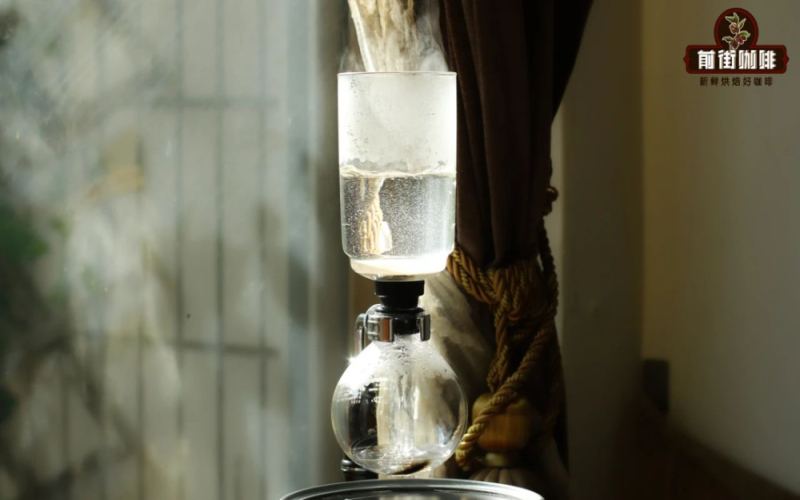
Complete Siphon Coffee Brewing Tutorial: Apparatus Structure, Filter Media Selection, Coffee Grounds Timing, and Operational Details
The siphon pot has become a rare piece of equipment in today's specialty coffee wave, with many cafés no longer offering siphon coffee, or keeping it only as a special featured item. For those who favor this brewing method, mastering a clear set of operating logic is more practical than relying on café output. Starting from Front Street's practice, this article systematically sorts out the siphon pot's construction principles, the trade-offs between cloth filters and paper filters, the choice of heat source, the divergence between adding coffee grounds first versus later, grind size and coffee-to-water ratio, stirring techniques, and the judgment of when to turn off the heat, and includes a complete reproducible brewing process to help coffee enthusiasts consistently recreate a cup of fragrant, rich, and mellow siphon coffee in their own kitchen. [more…]

From Light Roast to Espresso Roast: A Full Analysis of the Eight-Level Coffee Bean Roast Classification and the Five Major Stages
Coffee beans transform from green raw beans into brown roasted beans entirely through the key process of roasting. The length of roasting time directly determines the depth of the bean surface color and also shapes completely different flavor directions. The roasting color standard card established by the Specialty Coffee Association of America (SCAA) divides roast levels into eight grades, from light roast to Italian roast, with each level corresponding to a specific drop time and flavor characteristics. In addition, emerging concepts such as Nordic ultra-light roast and Japanese ultra-dark roast have gradually entered the view of enthusiasts. This article will systematically sort out these eight levels, the five stages of roasting, and the classification methods used by Front Street Coffee in practical applications, helping readers build a complete understanding of coffee roast levels. [more…]
The Origin of the Syphon's Other Name "Siphon Pot" and Operating Techniques: A Full Analysis from Construction Principles to Extraction Parameters
The siphon coffee maker, also known as the syphon, originated in Germany and relies on heating the lower chamber to create pressure that pushes water up to the upper chamber to complete the extraction. It is very popular in Japan, and in recent years it has gradually attracted the attention of coffee enthusiasts in China. This article will start with the structure of the siphon and the extraction principle, introduce the choice of heat source and filter material, and use Front Street Brazil Queen's Estate coffee beans as an example to demonstrate in detail the brewing parameters and operating steps such as water temperature, grind size, coffee dose, and coffee-to-water ratio. Finally, it will recommend coffee beans suitable for siphon extraction, helping readers fully master the essentials of making siphon coffee. [more…]
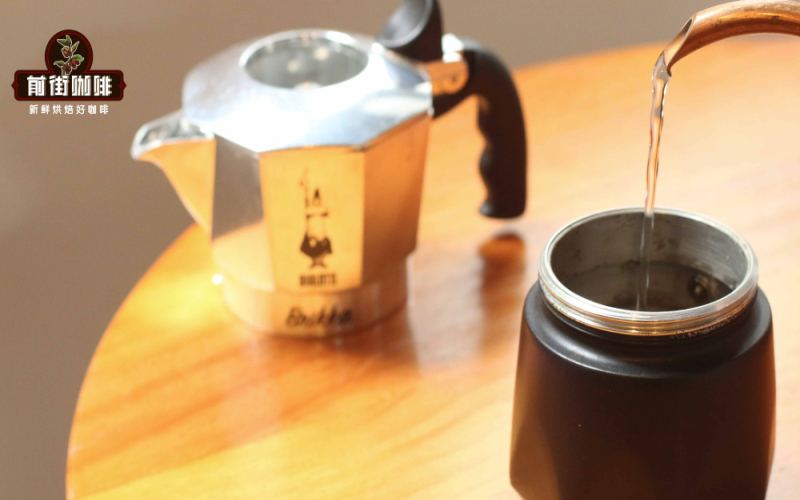
Moka Pot Brewing Guide: From Bean Selection to Cleaning, Practical Tips to Fix Coffee That's Too Bitter or Too Sour
The Moka pot, with its unique pressurized extraction method, can produce coffee with high concentration and a steady mouthfeel, but many enthusiasts often encounter problems such as overly bitter, overly sour, or burnt-tasting results. This article will start with the structural principles of the Moka pot, explain in detail the suitable types of coffee beans, and guide you step by step through the brewing method, including water volume control, grind size selection, coffee dosing techniques, and heating points. For the three common flavor defects, it will analyze the causes one by one and provide adjustment solutions, while also recommending beans such as Front Street Coffee Classic Espresso Blend and Golden Mandheling. Finally, it emphasizes the importance of daily cleaning to help you consistently produce a smooth cup of Moka pot coffee. [more…]
A Complete Analysis of Five Mainstream Coffee Brewing Methods: From Turkish Pot to Cold Drip, a Beginner's Guide to Pour-Over Coffee Techniques
The creation of a great cup of coffee depends on the right grind size, precise water temperature control, and a sensible coffee-to-water ratio. This article systematically breaks down five mainstream coffee brewing methods—decoction, pressure, gravity, infusion, and cold brew—analyzing each one's operating principles, flavor characteristics, and suitable scenarios. Whether you love rich espresso, prefer the clean and bright flavor of pour-over, or want to try the slow, meticulous process of cold drip coffee, you'll find a brewing approach that suits you. The article also mentions related product recommendations from Front Street Coffee for coffee enthusiasts to reference when making purchases. [more…]